
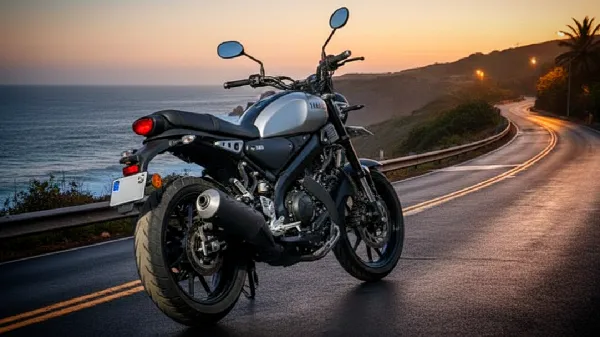
Yamaha India has officially entered the neo-retro segment with the long-awaited XSR155. Combining the DNA of the legendary R15 with a timeless “Sport Heritage” aesthetic, this machine has stirred significant interest. After a thorough evaluation, we’ve identified the defining characteristics that make it a compelling choice—and a few drawbacks that might give you pause.
Why the Yamaha XSR155 Should Be on Your Shortlist
1. Timeless Aesthetic Appeal
The primary draw of the XSR155 is its design language. In a market saturated with aggressive, angular streetfighters, the XSR’s “authentic retro” silhouette is a breath of fresh air. With clean lines, a circular LED headlamp, and a premium fit and finish, it commands presence without trying too hard. It is arguably one of the most visually balanced motorcycles in the 150cc category.
2. The Perfect Balance of Power and Prudence
Yamaha’s 155cc liquid-cooled engine is a masterclass in engineering. It maintains the spirited, high-revving performance the brand is known for, while the Variable Valve Actuation (VVA) ensures consistent torque across the rev range. Remarkably, this performance doesn’t come at the pump’s expense; the XSR155 continues the tradition of delivering class-leading fuel efficiency, making it an ideal companion for both spirited weekend rides and the daily commute.


3. Ergonomics Suited for All Sizes
While the R15 and MT-15 are often criticized for being compact or overly aggressive, the XSR155 offers a more inclusive ergonomic package. The upright handlebar and flatter seat provide a spacious rider triangle. This “big bike” feel ensures that taller riders can enjoy the machine without feeling cramped, offering a level of comfort usually absent in small-displacement performance bikes.
Factors That Might Make You Reconsider
1. Stiff Ride Quality on Uneven SurfacesBecause the XSR155 shares its chassis and suspension architecture with its sportier siblings, it inherits their firm damping. While this is a boon for high-speed stability and cornering, it becomes a liability on poorly maintained roads. The suspension lacks the plushness required to soak up sharp potholes, often transmitting jolts directly to the rider’s spine.


2. Sub-par Switchgear ErgonomicsDespite the premium styling of the motorcycle, the switchgear feels like an afterthought. The plastic quality appears budget-oriented compared to the rest of the bike. Furthermore, the non-traditional placement of the horn and indicator switches—along with a cumbersome rocker-style high-beam pass switch—creates a learning curve that feels unnecessary and unintuitive for many riders.
The Verdict : The Yamaha XSR155 is a stylish, high-performance machine that brings soul to the 150cc segment. If you value design and engine refinement above all else, it is a top-tier contender. However, if your daily route involves broken tarmac, you may want to test the suspension thoroughly before signing the dotted line.
Premium Segment Showdown: Yamaha XSR155 vs. TVS Ronin vs. Husqvarna Vitpilen 250
Choosing between these three machines requires balancing distinct philosophies: Japanese precision, Indian versatility, and European performance. Below is a technical breakdown of how the Yamaha XSR155 stacks up against its primary market rivals.
Technical Specification Comparison
| Feature | Yamaha XSR155 | TVS Ronin (Top Variant) | Husqvarna Vitpilen 250 |
|---|---|---|---|
| Seat Height | 810 mm | 795 mm (Most Accessible) | 820 mm |
| Braking System | Dual-Channel ABS | Dual-Channel (Rain/Urban Modes) | Dual-Channel (Supermoto ABS) |
| Fuel Efficiency | ~48 kmpl (Highest) | ~42 kmpl | ~31 kmpl |
| Gearbox | 6-Speed w/ Assist & Slipper | 5-Speed w/ Assist & Slipper | 6-Speed w/ Easy Shift |
| Max Torque | 14.2 Nm @ 7,500 rpm | 19.93 Nm @ 3,750 rpm | 25.0 Nm @ 7,500 rpm |
| Max Power | 18.4 PS @ 10,000 rpm | 20.4 PS @ 7,750 rpm | 31.0 PS @ 9,500 rpm |
| Kerb Weight | 137 kg (Class Leading) | 160 kg | 163.8 kg |
| Powertrain | 155cc, Liquid-Cooled, 4-Valve w/ VVA | 225.9cc, Oil-Cooled, 4-Valve | 249.1cc, Liquid-Cooled, DOHC |
| Chassis Type | Deltabox (Peripheral) | Double Cradle Split Synchro | Trellis Frame |
Segment Analysis: Finding the Right Fit
Yamaha XSR155: The Sophisticated Scalpel
The XSR155 excels through its power-to-weight ratio and sophisticated Variable Valve Actuation (VVA) technology. It is the lightest in its class, offering telepathic handling and high-revving performance that belies its 155cc displacement. It is the definitive choice for the rider who values engineering refinement and iconic styling over raw cubic capacity.
TVS Ronin: The Practical All-Rounder
The Ronin is engineered for the “everyday.” With its square-stroke engine, it provides significant low-end torque, making it the most effortless bike to ride in heavy urban congestion. Its superior ground clearance and plush suspension tuning make it far better suited for rural or broken roads than the XSR or the Husqvarna.
Husqvarna Vitpilen 250: The Performance Purist
The Vitpilen 250 operates in a different performance bracket. With nearly double the horsepower of the Yamaha, it is designed for those who prioritize top-end speed and aggressive cornering. However, this comes at the cost of a committed “lean-forward” riding stance and a premium price point that positions it as a lifestyle luxury rather than a commuter.
The Verdict
1. Select the Yamaha XSR155 if you want the best balance of modern tech and retro charm with the lowest running costs.
2. Select the TVS Ronin if your priority is ride comfort, low-end grunt, and a feature-rich console for city commuting.
3. Select the Husqvarna Vitpilen 250 if you seek uncompromising performance and a high-fashion, minimalist European aesthetic.
Discover more from Vibexpost
Subscribe to get the latest posts sent to your email.


